



Balanced Learning: Academic Support and Creative Expression

In today's fast-paced educational landscape, the need for a balanced approach to learning has never been more critical. Students are not just expected to excel academically; they are also encouraged to express their creativity. This dual focus on academic support and creative expression can lead to a more holistic educational experience. In this blog post, we will explore how these two elements can coexist and support each other, ultimately enhancing student engagement and success.
The Importance of Academic Support
Academic support is essential for students to thrive in their educational journey. It encompasses various resources and strategies designed to help students understand their coursework better and improve their academic performance. Here are some key aspects of academic support:
Tutoring Programs
Tutoring programs provide personalized assistance to students who may struggle with specific subjects. These programs can be offered in various formats, including one-on-one sessions, group tutoring, or online resources. For example, a student struggling with math might benefit from weekly tutoring sessions that focus on problem-solving techniques and foundational concepts.
Study Skills Workshops
Workshops that teach effective study skills can empower students to take control of their learning. These workshops often cover topics such as time management, note-taking strategies, and test preparation techniques. By equipping students with these skills, they can approach their studies with confidence and efficiency.
Mentorship Opportunities
Mentorship programs connect students with experienced individuals who can provide guidance and support. Mentors can help students navigate academic challenges, explore career options, and develop essential life skills. For instance, a high school student interested in pursuing a career in medicine might benefit from a mentorship program that pairs them with a medical professional.
Access to Resources
Providing access to resources such as libraries, online databases, and educational software is crucial for academic support. Schools and educational institutions should ensure that students have the tools they need to succeed. This might include access to e-books, research materials, and interactive learning platforms.
The Role of Creative Expression
While academic support is vital, fostering creativity is equally important in a balanced learning environment. Creative expression allows students to explore their interests, develop critical thinking skills, and enhance their emotional well-being. Here are some ways to encourage creative expression in education:
Arts Education
Integrating arts education into the curriculum can provide students with opportunities to express themselves creatively. This can include visual arts, music, theater, and dance. For example, a school might offer an after-school art program where students can experiment with different mediums and techniques.
Creative Writing
Encouraging students to engage in creative writing can help them develop their voice and storytelling abilities. Writing workshops can provide a supportive environment for students to share their work and receive constructive feedback. This not only enhances their writing skills but also boosts their confidence.
Project-Based Learning
Project-based learning allows students to explore real-world problems and develop creative solutions. This approach encourages collaboration, critical thinking, and innovation. For instance, a science class might undertake a project to design a sustainable garden, allowing students to apply their knowledge while expressing their creativity.
Extracurricular Activities
Extracurricular activities such as drama clubs, music bands, and art clubs provide students with additional avenues for creative expression. These activities can help students build friendships, develop teamwork skills, and explore their passions outside the classroom.
The Intersection of Academic Support and Creative Expression
While academic support and creative expression may seem distinct, they can significantly enhance each other when integrated effectively. Here are some ways to create a balanced learning environment that fosters both:
Collaborative Learning
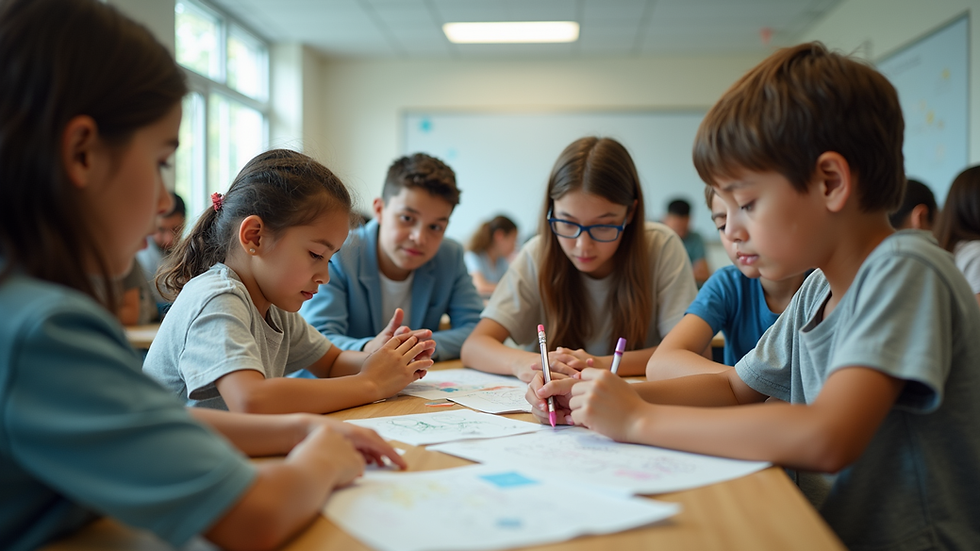
Encouraging collaborative learning experiences can help students combine their academic knowledge with creative problem-solving. For example, a group project that requires students to research a historical event and create a multimedia presentation can engage both their analytical and creative skills.
Interdisciplinary Approaches
Integrating different subjects can create a more enriching learning experience. For instance, a project that combines science and art, such as creating a visual representation of a scientific concept, allows students to apply their knowledge creatively. This approach not only deepens their understanding but also makes learning more enjoyable.
Encouraging Risk-Taking
Creating a safe space for students to take risks in their learning can foster both academic growth and creative expression. Encouraging students to experiment with new ideas, whether in writing, art, or problem-solving, can lead to innovative thinking and a deeper understanding of the subject matter.
Celebrating Achievements
Recognizing and celebrating both academic and creative achievements can motivate students to excel in both areas. Schools can host events that showcase student work, such as art exhibitions, science fairs, or writing contests. This not only boosts student morale but also highlights the importance of a balanced approach to learning.
Practical Strategies for Educators
Educators play a crucial role in fostering a balanced learning environment. Here are some practical strategies they can implement:
Create a Supportive Classroom Atmosphere
Establishing a classroom environment that encourages open communication and collaboration can help students feel comfortable expressing themselves. This can be achieved through group discussions, peer feedback sessions, and team-building activities.
Incorporate Technology
Utilizing technology can enhance both academic support and creative expression. Online platforms and educational apps can provide students with additional resources and opportunities for collaboration. For example, students can use digital tools to create presentations, collaborate on projects, or share their creative work.
Provide Choice
Allowing students to choose how they demonstrate their learning can empower them to take ownership of their education. For instance, instead of a traditional essay, students might have the option to create a video, a visual art piece, or a presentation. This flexibility can lead to increased engagement and creativity.
Foster a Growth Mindset
Encouraging a growth mindset can help students view challenges as opportunities for growth rather than obstacles. Educators can model this mindset by sharing their own experiences with failure and resilience, emphasizing the importance of perseverance in both academic and creative pursuits.
The Benefits of a Balanced Learning Approach
Adopting a balanced approach to learning that emphasizes both academic support and creative expression can yield numerous benefits for students:
Enhanced Engagement
When students are encouraged to express their creativity alongside their academic pursuits, they are more likely to be engaged in their learning. This increased engagement can lead to improved academic performance and a greater sense of satisfaction in their educational experience.
Improved Critical Thinking Skills
Balancing academic support with creative expression fosters critical thinking skills. Students learn to analyze problems from multiple perspectives and develop innovative solutions, which are essential skills for success in the modern world.
Greater Emotional Well-Being
Creative expression can have a positive impact on students' emotional well-being. Engaging in creative activities can reduce stress, boost self-esteem, and provide an outlet for self-expression. This, in turn, can lead to a more positive attitude toward learning.
Lifelong Learning Skills
A balanced approach to learning prepares students for lifelong learning. By developing both academic skills and creative thinking abilities, students are better equipped to adapt to new challenges and opportunities throughout their lives.
Conclusion
In a world that increasingly values both academic achievement and creative expression, it is essential to create a balanced learning environment that supports both. By integrating academic support with opportunities for creative expression, educators can foster a more engaging and enriching educational experience for students. This holistic approach not only enhances academic performance but also nurtures creativity, critical thinking, and emotional well-being. As we move forward, let us embrace the power of balanced learning and empower our students to thrive in all aspects of their education.


Comments